
When you think of the Bahamas, pristine beaches and crystal-clear waters may come to mind. But the Bahamas is also a paradise for food lovers. The local cuisine is a vibrant mix of African, European, and Caribbean influences, with a focus on fresh seafood, tropical fruits, and flavorful spices. From conch salad to Bahamian rock lobster, the culinary delights are sure to tantalize your taste buds.
However, while the foods in the Bahamas are generally safe and delicious, it’s essential to be aware of certain dishes and ingredients that could pose health risks. This guide will help you navigate what foods to avoid in the Bahamas so you can enjoy a safe and memorable culinary experience.
For a seamless travel experience in the Bahamas, including safe and reliable airport transfers, go to www.godeltransportationandtours.com to book online.
Common Food Allergies in the Bahamas
When traveling to the Bahamas, it’s essential to be aware of common food allergens that could potentially spoil your vacation. The Bahamian diet is rich in seafood, which can be a concern for those with shellfish allergies. Dishes like conch fritters, cracked conch, and Bahamian rock lobster are staples in local cuisine, making it crucial for individuals with shellfish allergies to exercise caution.
Peanuts and tree nuts are also prevalent in Bahamian dishes, often used in sauces and desserts. Be sure to inquire about the ingredients in any dish if you have nut allergies. Additionally, dairy products are commonly used in Bahamian cooking, from creamy sauces to traditional desserts like guava duff.
For those with gluten intolerance or celiac disease, it’s important to note that many Bahamian recipes include flour as a thickening agent. Dishes like johnnycakes and some versions of peas and rice may contain gluten, so always ask about the preparation methods. Lastly, tropical fruits such as mangoes and pineapples are abundant in Bahamian cuisine. While generally safe, some people may have fruit-specific allergies and should be cautious.
Being aware of these common food allergens and communicating your dietary restrictions clearly can help ensure that your dining experience in the Bahamas is both delicious and safe.
Risky Street Foods in the Bahamas
Street food is a delightful way to experience the local culture and flavors of the Bahamas. However, it’s important to be cautious about what you consume from street vendors to ensure a safe and enjoyable culinary adventure. Some street foods, while tempting, can pose risks due to hygiene practices and food handling methods.
One of the most popular street foods is **conch salad**, a refreshing mix of raw conch, citrus juices, and vegetables. While delicious, raw seafood can sometimes carry harmful bacteria or parasites if not handled properly. Ensure the vendor maintains good hygiene standards and the conch is fresh.
**Fried fish and fritters** are other street favorites. These can be risky if cooked in reused or low-quality oil, which can lead to stomach discomfort. Additionally, improperly stored fish can be a breeding ground for bacteria. Always opt for vendors with a high turnover of customers, as this typically indicates fresher ingredients.
**Meat patties** and **jerk chicken** are also commonly enjoyed. Be wary of undercooked meat, which can cause foodborne illnesses. Check that the meat is thoroughly cooked and served hot. **Fruit smoothies and juices** are refreshing, but if the water used is not purified, it can result in digestive issues. Choose vendors who use bottled or purified water.
While enjoying street food in the Bahamas, always observe the cleanliness of the vendor’s stall and their food handling practices. By being mindful of these factors, you can savor the rich flavors of Bahamian street food without compromising your health.
Avoiding Undercooked Seafood
The Bahamas is renowned for its fresh and succulent seafood, with dishes like grilled fish, lobster, and conch being staples of the local cuisine. However, while indulging in these delicious offerings, it is crucial to ensure that your seafood is properly cooked to avoid health risks.
**Undercooked seafood** can harbor harmful bacteria and parasites that may lead to foodborne illnesses. **Raw or lightly cooked shellfish**, such as oysters and clams, are particularly susceptible to contamination from pathogens like Vibrio, which can cause severe gastrointestinal distress.
When dining out, always ensure that your seafood is thoroughly cooked. **Cooked fish** should have opaque flesh that flakes easily with a fork. **Shrimp and lobster** should turn a pearly white or pink color and be firm to the touch. If you have any doubts about the doneness of your seafood, do not hesitate to ask the chef or server to cook it a bit longer.
Additionally, be cautious with dishes like **ceviche**, where seafood is ‘cooked’ in acidic citrus juices rather than heat. While ceviche is a beloved delicacy, the acidity does not always kill all harmful microorganisms. Ensure you are consuming it from reputable establishments known for their high hygiene standards.
When preparing seafood at home, follow safe cooking practices. Keep raw seafood separate from other foods, wash your hands and utensils thoroughly, and cook seafood to an internal temperature of at least 145°F (63°C).
By being vigilant about the cooking and handling of seafood, you can safely enjoy the exquisite marine flavors that the Bahamas has to offer.
Dangers of Unpasteurized Dairy Products
While exploring the vibrant culture and cuisine of the Bahamas, you might come across various dairy products that tempt your taste buds. However, it’s vital to be cautious about consuming **unpasteurized dairy products** due to the health risks they pose.
Unpasteurized dairy products, such as raw milk, cheese, and yogurt, have not undergone the pasteurization process, which involves heating the milk to a specific temperature to kill harmful bacteria. **Pasteurization** is essential because it eliminates dangerous pathogens like E. coli, Salmonella, and Listeria, which can cause severe illnesses, particularly in vulnerable groups such as young children, pregnant women, the elderly, and those with weakened immune systems.
**Raw milk** is often touted for its natural enzymes and purported health benefits, but these claims do not outweigh the significant risks. Consuming unpasteurized dairy can lead to foodborne illnesses, presenting symptoms such as stomach cramps, diarrhea, vomiting, and fever. In severe cases, it can result in long-term health complications or even be life-threatening.
When traveling in the Bahamas, always opt for **pasteurized dairy products**. Check labels carefully and, when in doubt, ask vendors or restaurant staff about the pasteurization status of their dairy offerings. Stick to well-known brands and reputable establishments that adhere to food safety regulations.
If you’re buying dairy products from local markets or roadside stands, exercise caution. While the appeal of fresh, local produce is understandable, the safety of unpasteurized dairy cannot be guaranteed. By making informed choices, you can savor the delightful dairy products of the Bahamas without compromising your health.
Tips for Safe Dining in the Bahamas
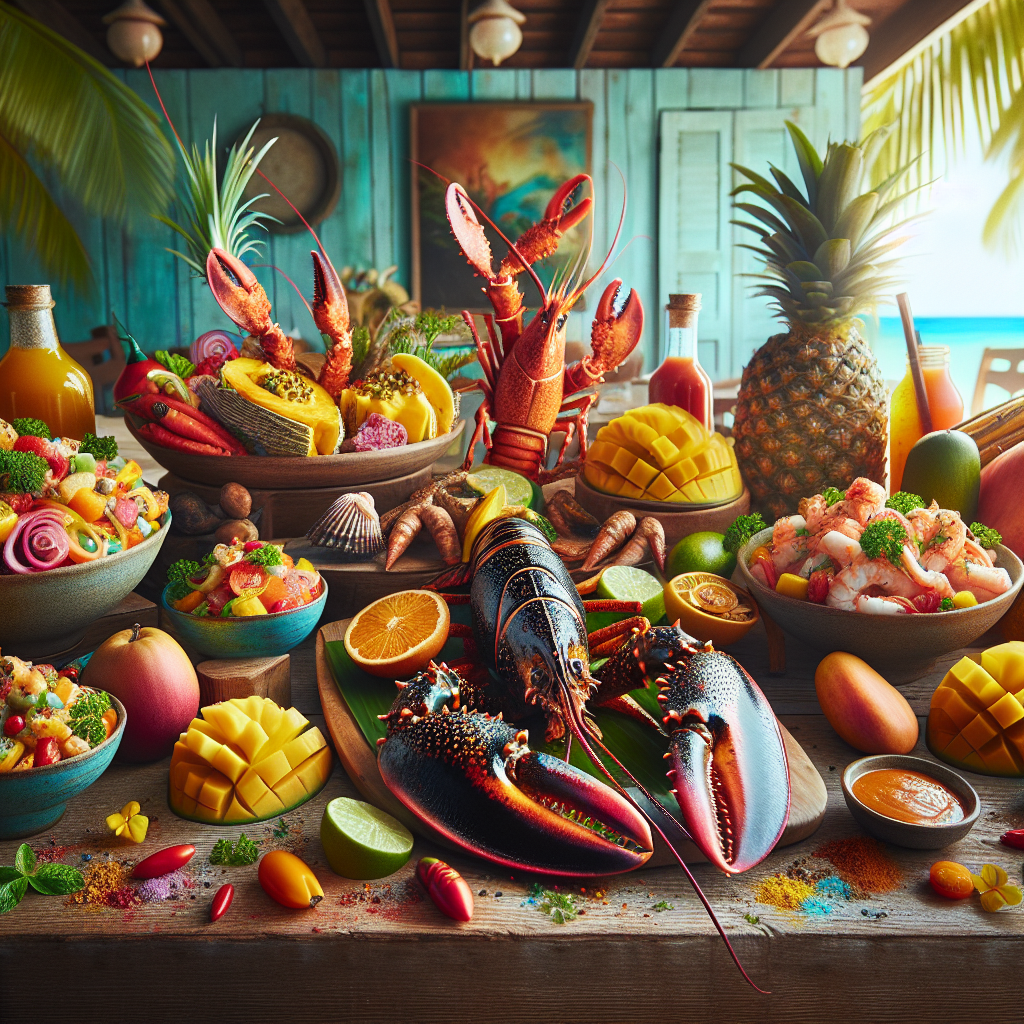
Enjoying the culinary delights of the Bahamas is an essential part of any trip, but ensuring that your dining experience is safe is equally important. Here are some practical tips to help you dine safely while exploring the beautiful islands.
First and foremost, **research your dining options**. Before you head out, look up reviews and ratings for restaurants and food stalls. Websites like TripAdvisor and Yelp can provide invaluable insights from fellow travelers. Opt for establishments that have a good reputation for cleanliness and food safety.
When you arrive at a restaurant, do a quick scan of the premises. A clean and well-maintained environment is often a good indicator of the overall hygiene standards. Pay attention to the cleanliness of tables, floors, and restrooms. If something feels off, it might be best to choose another place.
**Be cautious with street food**. While street food can offer some of the most authentic and delicious experiences, it also comes with risks. Make sure the food is prepared fresh and served hot. Avoid items that have been sitting out for an extended period, as they are more likely to harbor bacteria.
**Stay hydrated**, but be mindful of your water source. Stick to bottled water and avoid ice cubes made from tap water. If you’re unsure about the water quality, consider using purification tablets or a portable water filter.
Lastly, trust your instincts. If something seems suspicious or if you have any doubts about the food’s safety, it’s better to err on the side of caution. Your health and well-being should always come first.
By following these tips, you can enjoy the rich and diverse flavors of Bahamian cuisine without any worries. For a seamless travel experience, go to www.godeltransportationandtours.com to book online and ensure that your journey is as delightful as your dining experiences.